
Celebrate Our Launch With Flat 20% Off All Handbags
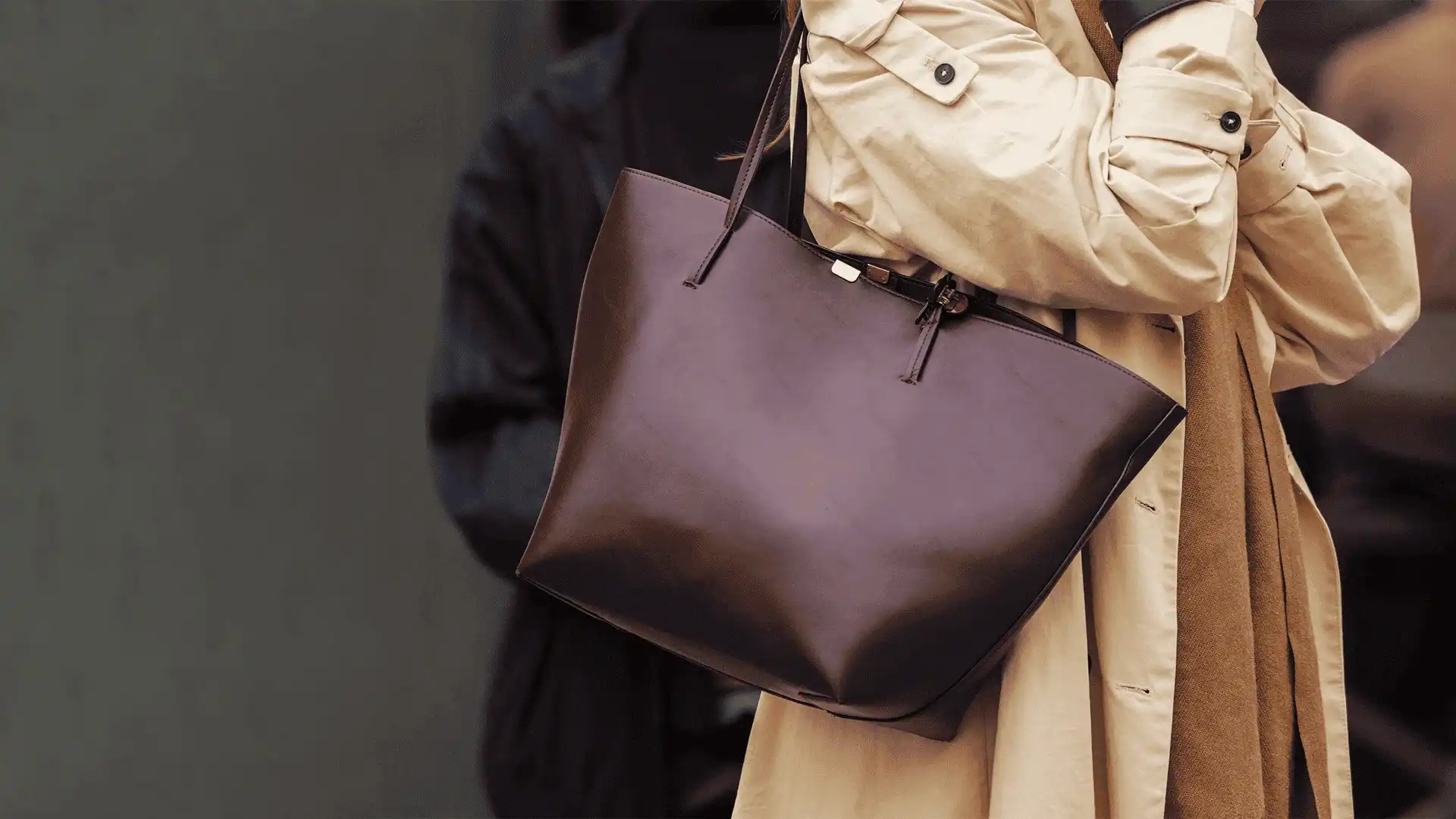
You know that outfit you reach for whenever inspiration disappears? The trousers fit, the shirt works, and the shoes never cause trouble, yet the entire look somehow feels predictable. Before replacing your wardrobe, change the one detail that can redirect everything: your bag. A structured tote can sharpen relaxed separates, while a playful mini bag can make familiar tailoring feel fresh. Color, texture, shape, and scale each send a different visual message. Switching your bag is a simple styling move with remarkable impact, inviting you to rediscover clothes you already enjoy and create combinations that feel exciting again today, together.
Every outfit communicates a mood before anyone notices its individual pieces. A bag often determines whether that message feels polished, relaxed, playful, artistic, or quietly confident. Imagine wearing the same simple dress with a crisp geometric handbag, then pairing it with a soft woven shoulder bag. The dress remains unchanged, but the personality shifts completely.
This happens because bags sit prominently within your overall silhouette. Their lines, materials, and details influence how the eye interprets everything around them. Structured shapes suggest intention, rounded forms add softness, and unusual handles introduce curiosity. Even a familiar jeans-and-shirt combination can move from weekend ease to dinner-ready style through one thoughtful switch.
Bag shape has surprising power because it changes the balance of what you wear. A wide tote creates a strong horizontal line, a slim shoulder bag keeps the profile streamlined, and a rounded design softens outfits built around sharp tailoring. These visual adjustments can make familiar clothing appear newly proportioned.
Consider an over-sized short with straight trousers. Add a spacious slouchy bag and the result feels relaxed and fluid. Replace it with a compact box bag and the same clothing gains definition and contrast. Neither approach requires extra layers or complicated styling; the transformation comes from placing a different shape beside the body.
Color is often the quickest route to visible change. A neutral outfit paired with a vivid bag suddenly has a focal point, while colorful clothing combined with a muted handbag feels calmer and more grounded. The bag becomes a punctuation mark, altering the tone without rewriting the entire sentence.
You don’t need dramatic contrast to create an effect. A deep burgundy bag beside brown clothing adds richness through neighboring shades. A pale blue style can cool down warm beige separates. Even switching between black, cream, tan, and gray changes how familiar garments relate to one another.
When an outfit looks flat, texture can supply the missing dimension. Smooth clothing paired with a woven, quilted, beaded, or softly grained bag creates contrast that catches the eye. The effect is subtle enough for everyday dressing yet noticeable enough to make simple pieces feel considered.
Texture works especially well with monochrome outfits. When every garment belongs to a similar color family, varied surfaces prevent the look from blending into one visual block. A tactile handbag introduces depth while preserving the clean palette. Likewise, a sleek bag can bring restraint to clothing that already features pattern or decorative detail.
The size of your bag affects more than storage; it changes the visual rhythm of your outfit. A roomy carryall can make fitted clothing feel practical and relaxed, while a tiny bag introduces delicacy beside voluminous sleeves or wide trousers. Scale creates tension, and that tension often makes a repeated combination look interesting again.
Start by observing the volume of your clothes. If your outfit includes loose layers, a compact bag can provide a defined visual anchor. If the silhouette is narrow and minimal, a larger style may bring movement and presence. You can also echo proportions for a cohesive result, pairing streamlined clothes with a slim bag or generous shapes with a roomy design.
Where a bag sits can alter an outfit nearly as much as the bag itself. A short shoulder strap places attention near the upper body, a crossbody strap creates a diagonal line, and a handheld design leaves the clothing silhouette uninterrupted. Each placement guides the eye differently.
This is valuable when restyling familiar layers. A crossbody bag worn over a loose jacket tends to add definition and breaks up a broad surface. A shoulder bag tucked beneath the arm can make the same jacket feel sleek. Carrying the bag by hand highlights its shape while allowing prints, buttons, or draping to remain visible.
Matching every element can produce harmony, but contrast often creates memorability. A refined handbag worn with casual denim makes the denim feel deliberate. A relaxed pouch paired with tailored separates removes stiffness and adds personality. The unexpected relationship encourages the viewer to reconsider pieces that might otherwise feel familiar.
Contrast can come from color, shape, texture, scale, or attitude. The trick is to choose one clear difference instead of making every element compete. If the bag is highly decorative, keep the clothing relatively calm. If the outfit includes strong pattern, select a bag with a quieter surface but an interesting silhouette.
A well-chosen base outfit cab move through an entire day when the bag changes with setting. For a busy morning, a spacious tote supports essentials and creates an organized impression. Later, a small shoulder bag reduces bulk and gives the same clothing a more social, easygoing character. For dinner, a sculptural handheld piece brings focus and distinction.
This strategy is useful when time, luggage space, or wardrobe options are limited. Instead of planning separate clothing combinations, begin with versatile garments and allow accessories direct the transitions. Bags are particularly effective because they tend to combine visual impact with everyday function.
An effective bag collection is not measured by quantity. Its strength comes from variety across shape, color, texture, scale, and purpose. Several nearly identical designs may offer less styling freedom than a smaller group in clearly different forms. Each addition should open a new direction for clothes you already own.
Before choosing another bag, review your regular outfits. Notice recurring colors, silhouettes, and occasions, then identify what is missing. Perhaps your wardrobe needs a bright accent, a compact evening option, or a soft shape that balances structured clothing. Shopping with that question creates more useful choices and reduces duplication.
Feeling bored with your clothes does not always mean you need new garments. Often, you need a new viewpoint. Pull out the bags you rarely carry and pair them with outfits you normally style another way. A forgotten color or unexpected shape may reveal a combination you never had considered.
Create a short styling session at home. Choose three frequently worn outfits and test each with several bags. Change strap lengths, try handheld and crossbody placement, and compare contrasting textures. Take photographs so you can judge the full shape rather than relying only on the mirror.
This exercise shows which bags add real versatility and which gaps remain in your collection. It also makes future shopping more purposeful. Instead of choosing a piece simply because it looks appealing alone, you can seek a design that unlocks multiple benefits. The result is a wardrobe that works harder, feel fresher, and reflects your personality through combinations shaped with intention.
A bag switch may seem like a minor styling decision, yet its influence reaches across color, proportion, texture, mood, and function. It can sharpen a relaxed outfit, soften a formal one, add energy to neutral clothing, or bring calm to expressive prints. One change creates a different visual story.
The next time your dependable outfit feels tired, resist dismissing it. Set it out, introduce a contrasting bag, and watch the familiar pieces regain character. Explore shapes you have not carried recently and colors that change the emotional tone. Let practical needs guide the size, then allow your taste to shape everything else.
If your current collection repeats the same idea, consider adding a handbag that offers different styling role. Choose one that sparks combinations rather than serving a single look. The right addition will not merely accompany your wardrobe; it will help you see more potential within it.