
Celebrate Our Launch With Flat 20% Off All Handbags
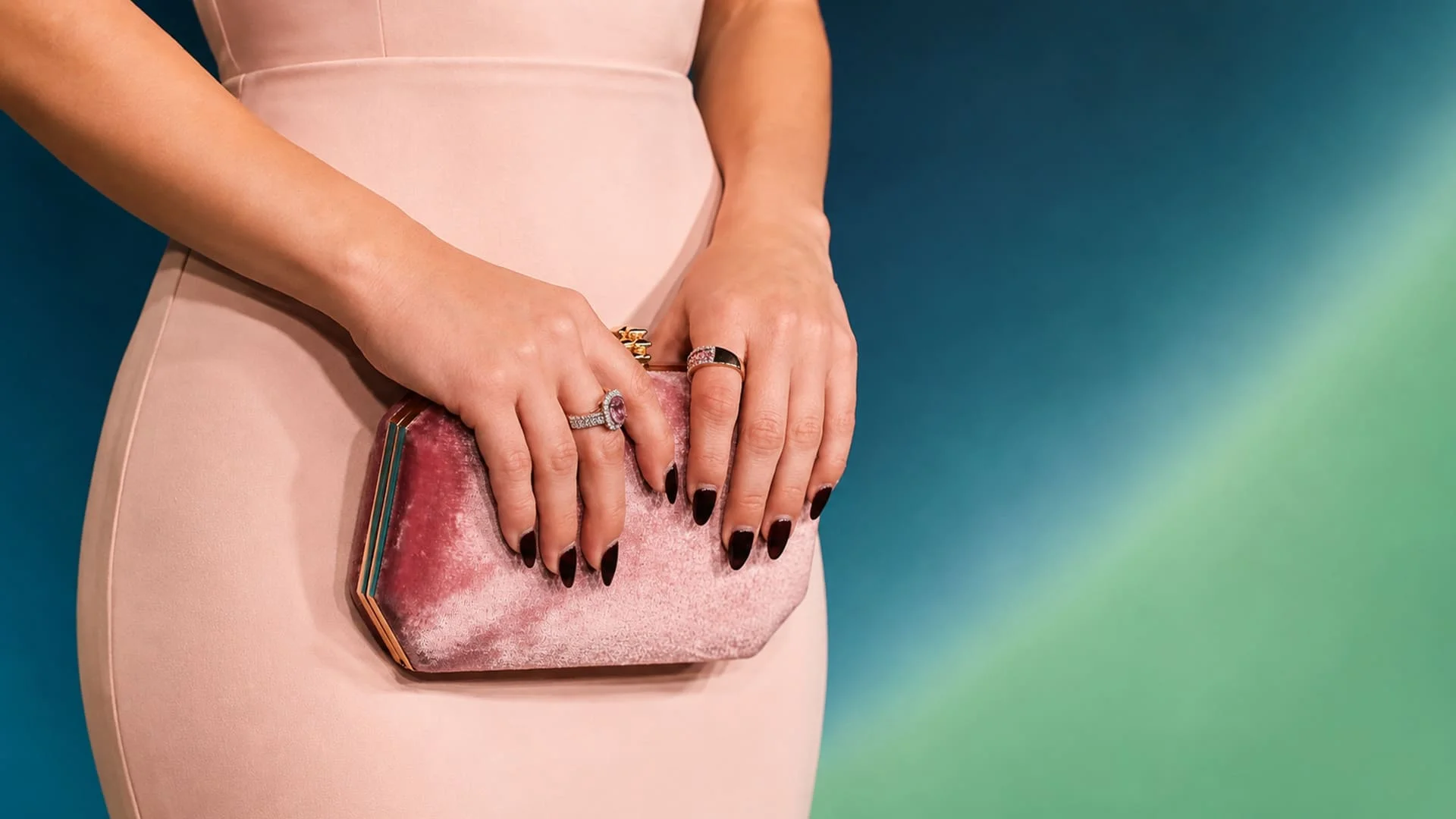
You know the scene: your phone is ringing, the queue is moving, and the one item you need has vanished somewhere inside your bag. Your dig past receipts, tangled cables, loose cosmetics, forgotten snacks, and objects you cannot remember packing. Somehow, a simple handbag has become a bottomless universe where essentials disappear at exactly the wrong moment. The issue is rarely a lack of space. More often, it is too much space without a system. With smarter organization, intentional packing, and a design suited to your routine, your bag can finally stop swallowing everything you place inside each busy day.
A roomy handbag seems practical because it promises freedom. You can carry daily essentials, unexpected purchases, work items, and a few just-in-case objects without changing bags. Yet open capacity easily becomes an invitation to add more, and more quickly becomes clutter.
When everything shares one large compartment, smaller belongings settle beneath heavier pieces. Keys slide under notebooks, lip color disappears beside chargers, and receipts gather in corners. The bag is not truly bottomless; its contents simply lack visible boundaries.
The black-hole effect often begins with good intentions. You pack tissues for a possible spill, an extra charger for a fading battery, several cosmetics for an evening plan, and snacks for a journey that may run late. Individually, each item seems reasonable. Together, they overwhelm the bag.
Separate daily necessities from occasional possibilities. Your phone, wallet, keys, and essential personal items deserve permanent places. Objects needed only for particular plans should enter the bag when the occasion requires them and leave immediately afterward.
Small belongings are difficult to find because they move each time the handbag shifts. Coins, pens, hair, accessories, cards, earbuds, and cosmetics scatter across the base, which creates a layer of visual noise. Even when you know an item is present, locating it can take longer than expected.
Grouping offers an immediate solution. Use compact pouches for categories such as electronics, personal items, or stationery. Choose different colors, textures, or shapes so each pouch can be recognized by sight and touch. This reduces searching without requiring numerous built-in compartments.
Receipts, wrappers, appointment cards, and folded notes rarely feel important enough to organize immediately. They slip into side pockets or settle beneath larger objects, where they multiply unnoticed. Over time, this paper layer hides essentials and makes the interior appear far messier than it is.
Create one temporary location for paper. A slim envelope, zipped sleeve, or dedicated pocket keeps it contained until you can review it. Avoid distributing receipts across several compartments, since scattered storage makes clearing them harder.
More pockets don’t automatically create better organization. A handbag may contain several compartments, yet still feel confusing if they are too narrow, too deep, or positioned where access becomes awkward. You may forget which pocket holds what, then search every section anyway.
Assign locations according to frequency. Place your phone and travel card in easy-reach sleeves, secure valuable items inside zipped compartments and reserve deeper sections for objects used less often. The layout should follow your movements throughout the day.
When choosing a new bag, imagine using it rather than admiring an empty interior. Test whether your hand reaches each pocket comfortably and whether openings reveal their contents. A thoughtful arrangement should reduce decisions, not create puzzles. The right compartments make essentials nearly automatic to locate, allowing function and attractive design to work together.
Interior color has a surprisingly strong influence on visibility. Black or deeply shaded linings may look sleek, but they allow dark objects to disappear against the background. Phones, wallets, cases, and keys can remain hidden even when they are directly in front of you.
A lighter or contrasting lining makes contents easier to identify. Soft beige, pale gray, muted color, or patterned fabric provides enough separation to outline objects clearly. You spend less time searching and can notice clutter before it accumulates.
If your favorite handbag has a dark interior, add contrast through organizers or pouches. A bright key holder, light phone case, or colored wallet can improve recognition without replacing the bag. Small visual cues guide your hand quickly. What seemed like an organization failure may partly be a visibility problem, solved by making essential belongings stand out from their surroundings.
When a handbag exceeds its intended capacity, organization becomes difficult and the exterior begins to change. Bulging sides, strained closures, and crowded handles reduce visual appeal. Contents press together so tightly that removing one object can disturb everything around it.
Use the closure as a practical boundary. If the zip, clasp, or flap doesn’t fasten naturally, reconsider what you are carrying. Forcing the bag closed signals that its contents have outgrown the available space.
Choose a size that matches your normal routine rather than a rare demanding day. If you regularly carry a device, bottle, notebook, and personal essentials, select dimensions that accommodate them without stacking. A properly filled bag preserves its silhouette and keeps the interior accessible. Better capacity is not about carrying more; it is about giving necessary items enough room to remain organized.
Changing handbags can refresh an outfit, but hurried transfers often move clutter from one design to another. You tip everything onto a table, scoop it into the new bag, and carry forgotten objects forward. The style changes while the disorder stays exactly the same.
Make every switch a brief editing moment. Transfer essential categories first, then question each remaining item before adding it. Clear receipts, return misplaced objects, and remove anything connected to yesterday’s plans.
Portable pouches make this process faster because related items travel as units. You can move an electronics pouch, personal pouch, and wallet without handling every small object. This approach protects the fresh feeling of a newly selected bag. Instead of inheriting the previous bag’s confusion, each design begins with an interior suited to the day ahead.
Organization lasts when it reflects behavior rather than appearance alone. A beautifully arranged bag may fall apart by midday if the system requires too many steps. The aim is to create locations that feel natural enough to use without thinking.
Observe what you reach for repeatedly. Your phone, keys, travel card, and hand sanitizer should sit where one movement can retrieve them. Less frequently used items can occupy deeper or zipped sections. Return each object to the same place after use.
Create a simple departure check built around categories: communication, access, payment, work, and personal essentials. This prevents random additions driven by uncertainty. When the system follows your routine, maintenance becomes effortless. The handbag stops functioning like general storage and starts supporting the way you actually move through your day.
Before choosing another bag, list what you carry on a day. Consider the dimensions of larger objects, the number of small essentials, and which belongings require quick access. Look for compartments that correspond with those needs rather than features that merely sound useful.
Pay attention to opening width, lining color, pocket depth, and how well the bag holds its shape. These details influence daily usability long after the first impression. A handbag designed around clarity saves time, supports smoother routines, and keeps its visual character without constant rearranging.
Your handbag becomes a black hole when excess items, loose objects, poor visibility, and unsuitable compartments work together. Solving the problem does not require complicated rules. It begins with removing what no longer belongs, assigning simple categories, and creating repeatable places for daily essentials.
Start by emptying your current bag completely. Clean the interior, sort every item, and return only what supports your routine. Add a few purposeful pouches if needed, then test whether frequently used objects can be reached quickly.
If the design still works against you, explore handbags with clearer interiors, supportive structure, and compartments that match your belongings. Choose a piece that makes organization feel natural while complementing your wardrobe. The right bag will not merely hold more. It will help every essential remain visible, accessible, and ready exactly when you need it.