
Celebrate Our Launch With Flat 20% Off All Handbags
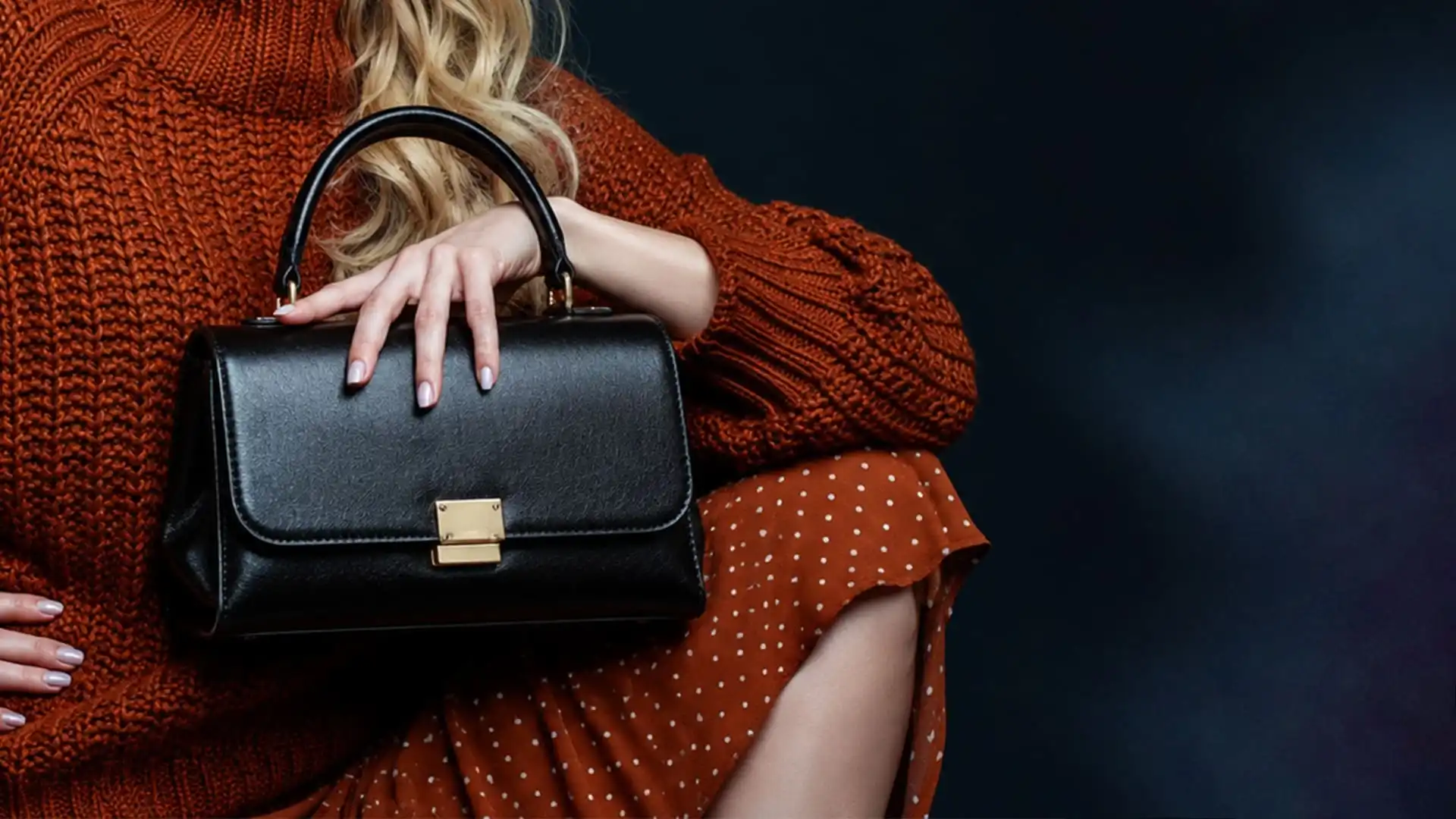
You chose the outfit, adjusted every layer, and stepped toward the mirror expecting everything to click. Yet something feels missing. The problem may not be your clothes at all. Your handbag can quietly disrupt color balance, distort proportions, hide thoughtful details, or introduce a mood that belongs somewhere else. Because it sits within your silhouette, even a small styling mismatch becomes surprisingly visible. The encouraging part is that these mistakes are easy to correct. By understanding shape, scale, placement, texture, and purpose, you can turn a nearly-there outfit into a look that feels intentional from every angle each day.
One common mistake happens before the bag is even selected. You build an outfit, add shoes, and jewelry, then grab whichever handbag is nearest while leaving home. Although convenient, this approach can undo the visual direction created by everything else.
A handbag occupies noticeable space and often sits near the center of the outfit. Its shape, color, finish, and strap placement tend to influence the way surrounding garments appear. A relaxed tote can soften tailoring, while a defined shoulder bag can sharpen flowing clothing. Neither choice is automatically right or wrong, the success depends on the message you want to create.
Scale can determine whether a look feels balanced or awkward. A tiny bag beside oversized layers may appear visually lost, while a large carryall can overwhelm a fitted dress or streamlined suit. The clothing may fit beautifully, yet the wrong bag size changes the overall proportions.
Begin by observing the volume of your outfit. Loose sleeves, wide trousers, and layered outerwear already create presence, so your bag needs enough visual weight to remain noticeable. Slim silhouettes offer greater freedom, but the handbag should still complement your frame and the setting.
Every outfit suggests an attitude. It may feel relaxed, refined, playful, romantic, creative, or understated. A handbag that communicates an entirely different mood can make the styling feel unresolved, even when the individual pieces appealing.
Imagine soft, flowing clothing paired with a heavily structured work bag. The contrast might look expressive when chosen deliberately, but accidental when nothing else links the two. Similarly, a casual fabric tote may weaken the impact of clothing intended for an evening setting.
Ideally matching your handbag to your shoes, belt, and clothing can make an outfit feel overly planned. Repetition creates coordination, but too much sameness removes depth and prevents any element from developing its own personality.
Instead of searching for an identical shade, explore related ones. A deep brown bag can complement caramel shoes, while burgundy can add richness beside muted rose or warm beige. Cooler outfits may benefit from charcoal, slate, or softened blue rather than another color match.
A handbag can suit your outfit beautifully when held in your hand, then appear awkward once placed on your shoulder. Strap length determines where the bag meets your body, and that position can hide clothing details, interrupt seams, or add width in an unintended area.
Crossbody straps create a strong diagonal that may add definition to loose garments. However, they can also disrupt delicate draping, bold prints, or decorative fronts. Shoulder bags tend to draw attention toward the upper body, while longer straps place visual weight around the hip or thigh.
A handbag designed with clean lines can quickly lose its visual appeal when filled beyond capacity. Bulging sides, strained closures, and distorted handles make the accessory look untidy, affecting the outfit around it. Even a thoughtfully selected design cannot create polish when its original shape disappears.
Review what you carry regularly. Remove old receipts, duplicate items, oversized packaging, and objects that belong elsewhere. Use smaller pouches to group essentials without allowing loose belongings to spread across the interior. If everything is necessary, move to a larger design rather than forcing the current bag to hold more.
Statement bags can bring energy to simple clothing, bur problems arise when every part of the outfit demand equal attention. Bold prints, dramatic jewelry, decorative shoes, and an embellished handbag may compete rather than communicate, leaving the eye without a clear focal point.
Choose where you want attention to land. If the handbag features striking texture, vivid color, unusual hardware, or a sculptural shape, allow surrounding pieces to create breathing room. When the clothing already contains strong pattern or detailed construction, select a quieter bag with one connecting feature.
A look becomes engaging when each element has a role: one creates focus, another adds support, and another provides balance. Often removing a competing accessory allows the handbag to make a stronger impression.
Relying on the same handbag every day feel convenient, but it can limit your wardrobe. A spacious tote may appear cumbersome at dinner, while a compact bag cannot comfortably support a busy daytime schedule. Repetition also makes varied outfits feel unexpectedly similar.
Build a small rotation around the situations you encounter. Consider a roomy option for work, a hands-free design for active days, a versatile shoulder bag for social plans, and a compact piece for occasions require fewer belongings. Each category can overlap, allowing a thoughtful collection to remain concise.
Changing bags also encourages you to reconsider familiar clothing. The same dress can feel relaxed with a soft crossbody style and more defined with a structured handheld design. By matching function and mood to the occasion, you give outfits greater range. You bag becomes an active styling choice instead of a permanent background object.
Color often receives attention first, yet texture can determine whether an outfit feels dimensional or flat. Pairing similar smooth surfaces throughout may create a clean effect, but it can also lack visual interest. Combining several heavily textured pieces, meanwhile, can make the result feel crowded.
A woven or quilted surface can enliven plain clothing, while a sleek bag can calm ruffles, chunky knits, or decorative fabrics. Subtle grain, stitching, or paneled construction adds depth without dominating the outfit.
Consider the setting and season, but avoid rigid rules. Texture communicates mood more than a calendar date. Soft surfaces often feel relaxed, crisp finishes appear sharper, and reflective details introduce evening energy. Choose the effect that strengthens your clothing. When color, material, and silhouette work together, the handbag completes the visual story rather than feeling attached at the final moment.
Some outfits feel finished because every element is too similar. The colors blend, the shapes repeat, and the textures offer no visual pause. Although the pieces coordinate, nothing creates energy. A contrasting handbag can supply the missing points of interest.
Contrast may come through shape, scale, color, or attitude. Pair with a rounded bag with angular tailoring, a compact design with flowing clothing, or a vivid shade with restrained separates. Once clear difference is often enough to make the entire outfit feel more dynamic.
Keep the contrast connected through another detail. A bag’s metal finish might echo jewelry, its color might appear subtly within a print, or its curved shape might mirror a neckline. These repetitions tend to create cohesion without making the look predictable. Thoughtful contrast shows confidence and gives familiar clothing a fresh perspective, making one strategic bag switch more effective than several unrelated additions.
An unfinished outfit rarely requires a complete wardrobe change. Often, the solution is already sitting on a shelf: a better proportion, a different color, a cleaner shape, or a strap adjusted by a few centimeters. Small handbag decisions have visible influence because the accessory connects style with everyday function.
Before leaving, view the entire silhouette rather than judging the bag alone. Check whether its size balances your clothing, its mood suits the occasion, and its position reveals important details. Remove unnecessary contents and edit competing accessories until the visual message becomes clear.
If your current collection cannot create these combinations, look for a handbag that fills a distinct styling gap. Choose a design that works with several outfits while offering something meaningfully different from what you already carry. The goal is not simply another accessory. It is a piece that helps your wardrobe feel more expressive, versatile, and intentionally finished.