
Celebrate Our Launch With Flat 20% Off All Handbags
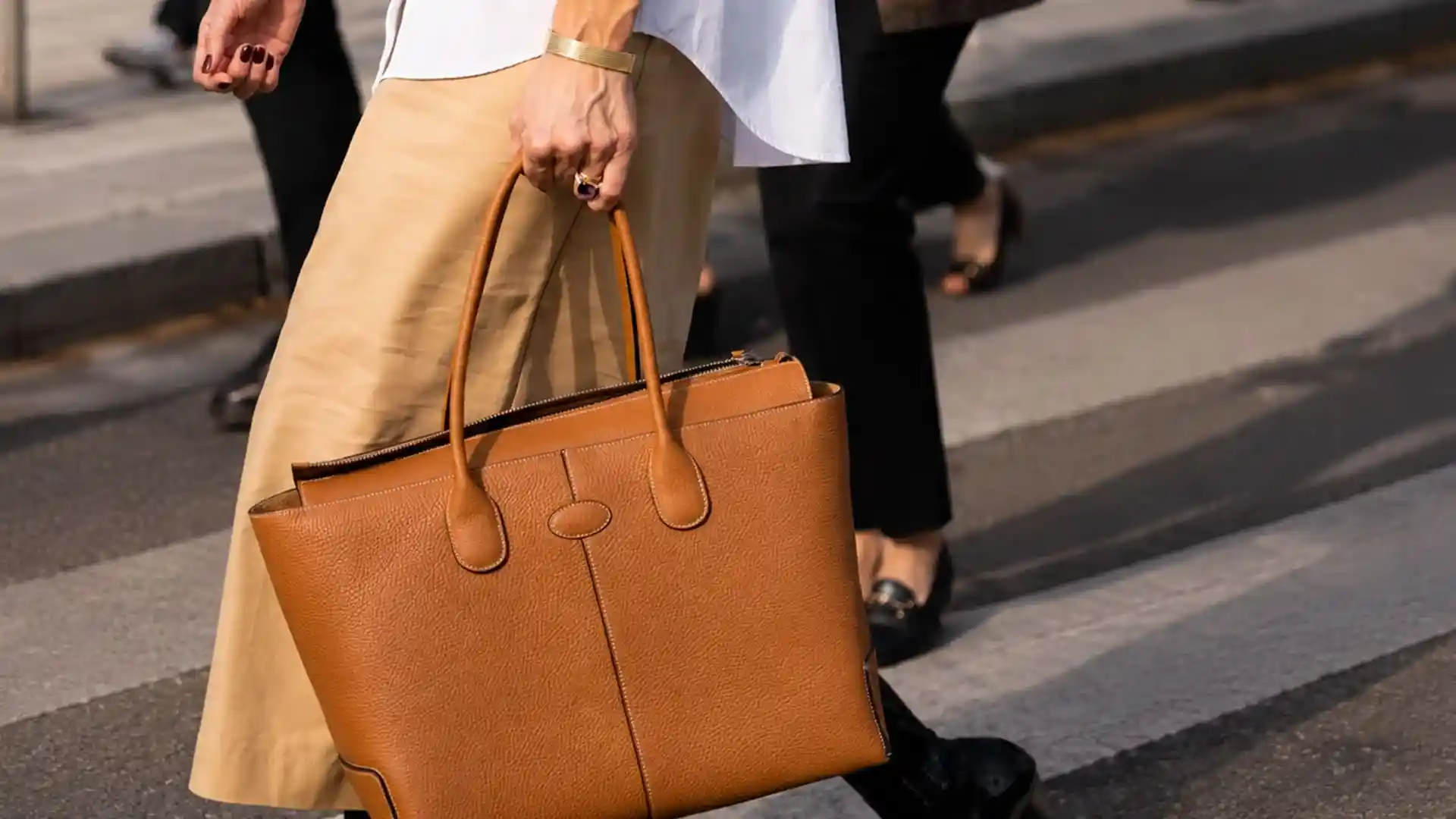
Your calendar says spreadsheets at nine, a quick coffee at three, and dinner somewhere with low lighting at seven. Your outfit can handle the shift, but can your bag? The right design does more than carry daily essentials. It moves confidently between meetings, commutes, conversations, and evening plans without making you feel underdressed or overloaded. With a balanced shape, thoughtful storage, and adaptable styling, one bag can support every chapter of a busy day. Instead of rushing home for an accessory change, imagine carrying a piece that looks equally at ease beside a tablet and candlelit table tonight effortlessly.
Daily routines rarely sit inside neat categories. A morning presentation can become an afternoon errand, followed by an unplanned dinner invitation. When every hour brings a different setting, your accessories should move with the same flexibility. A desk-to-dinner bag answers that need by combining practical capacity with a silhouette that remains visually refined.
The appeal lies in simplicity. You avoid carrying a second handbag, reorganizing belongings between appointments, or settling for a work tote that feels awkward after sunset. One adaptable piece keeps your essentials together while supporting each transition.
Shape is the first quality people tend to notice, making structure central to an adaptable handbag. A defined silhouette brings focus to office clothing and retains its presence beside softer evening pieces. It stands neatly during meetings, photographs well at dinner, and avoids appearing overly casual when the setting becomes more polished.
Look for a design that holds its form without feeling rigid. Clean lines, balanced proportions, and a stable base create a composed impression, while rounded corners can keep the appearance approachable. This balance allows the bag to complement tailored trousers, flowing dresses, skirts, or relaxed separates.
A daylong bag must hold enough, but oversized proportions can make evening styling difficult. The goal is useful capacity within a streamlined profile. Before choosing, list what really travels with you; perhaps a tablet, compact notebook, wallet, keys, phone, charger, and a few personal items. This reveals the space you need without encouraging unnecessary extras.
Medium-sized designs often create an effective balance. They accommodate daily necessities while remaining comfortable beside a dinner outfit. A wide opening improves access, while a secure closure keeps belongings contained during crowded journeys.
Organization becomes particularly valuable when your day involves several locations. Interior compartments assign each item a place, reducing the time spent searching between meetings or while leaving for dinner. A padded section can hold a device, a zipped pocket can contain smaller belongings, and open sleeves can keep frequently used items accessible.
The arrangement should match your habits rather than forcing a complicated system. Too many tiny pockets can be as frustrating as one empty compartment. Look for a layout that separates work items from personal essentials while leaving enough open space for flexible storage.
A versatile strap system allows the same bag to speak differently across settings. A longer strap worn crossbody feels practical during a commute, keeping hands free and weight distributed. Shorter handles create a more composed office impression, while carrying the bag by hand can sharpen its evening character.
Detachable and adjustable straps expand these options. Removing a wide daytime strap can reveal cleaner lines for dinner. Shortening the drop can lift the bag closer to the body and change its relationship with your outfit. These adjustments requite little effort but deliver a clear visual shift.
Color tend to influence how easily a bag travels between wardrobes and occasions. Neutral shades offer broad pairing potential, but neutral doesn’t have to mean forgettable. Deep olive, warm taupe, rich burgundy, soft gray, and dark navy can feel versatile while adding personality than expected.
Consider the colors that dominate your working wardrobe and evening clothing. A bag doesn’t need to match exactly. It can connect the two palettes through contrast or shared undertones. Warm clothing may pair smoothly with caramel or muted red, while cooler outfits can work with slate, blue, or charcoal.
Material affects both appearance and daily experience. Smooth surfaces tend to look streamlined and transition naturally into evening settings. Lightly textured finishes add visual depth while remaining easy to combine with professional clothing. Woven panels, subtle quilting, or restrained decorative elements can introduce personality without overwhelming the design.
Think about how the material interacts with your clothes. A sleek bag can sharpen soft knitwear or flowing garments, while a gently textured design can enliven plain tailoring. Contrast creates interest, especially when the outfit itself must remain unchanged all day.
Subtle metal accents catch evening light, while clean closures maintain a composed daytime appearance. A distinctive clasp can become a focal point without demanding an outfit change.
Restraint often creates greater visibility. Too many competing details can limit pairings, whereas one memorable feature gives the bag identity. Consider a sculptural handle, a contrasting edge, or an unexpected finishing. The design gains character while remaining easy to style.
Closures need to be accessible, handles should feel comfortable, and decorative elements should not catch on clothing. Examine how each feature behave when the bag is full, carried, opened, and placed down. Details succeed when they tend to improve the experience while strengthening the visual story. That combination helps a handbag feel relevant during focused working hours and relaxed evening conversations alike.
Turning a daytime bag into an evening companion may require only a brief test. Remove items you no longer need, such as documents, chargers, or a packed lunch container. A lighter interior improves the bag’s shape and makes it more comfortable to carry through dinner.
Next, change how you hold it. Detach the crossbody strap, shorten the shoulder drop, or carry the handles by hand. If the design includes a removable charm or scarf, adding or removing it can alter the mood. These small edits create visible change without a second accessory.
Let the bag support equally simple outfit adjustments. Roll a sleeve, add jewelry, change shoes, or apply a stronger lip color. Because the handbag already suits both settings, you are refining rather than rebuilding the look. Five focused minutes can create a confident transition, leaving you ready to step away from the desk and into the evening without feeling rushed.
Successful styling begins with the life you actually live. If dinners frequently follow office hours, choose combinations that can shift through accessories rather than garments requiring a complete change. A simple dress, tailored jumpsuit, or coordinated separates can provide a strong foundation, while the bag maintains continuity.
Test potential outfits with the handbag before a busy day. Fill it with your regular belongings, try every trap position, and view the complete silhouette in a mirror. This reveals whether the proportions work and whether the design remains comfortable over several hours.
Planning this way reduces morning uncertainty and makes spontaneous invitations easier to accept. You already know the bag suits your clothing, holds what you need, and adapts when the atmosphere changes. Instead of seeing practical requirements as obstacles to style, you use them as part of the decision. The result is a wardrobe built for movement, conversation, and opportunity.
The ideal desk-to-dinner bag is not defined by one specific shape, shade, or size. It is the design that aligns with your belongings, wardrobe, commute, and social routine. It holds enough without feeling cumbersome, stays organized without becoming complicated, and shifts character through thoughtful carrying options.
Before choosing, imagine the entire journey. Picture the bag beside your morning coffee, beneath a meeting table, across your shoulder during the commute, and next to you at dinner. If it feels visually appropriate and practically useful at every stage, it has earned serious consideration.
Explore designs that bring structure, adaptable straps, purposeful compartments, and distinctive restraint into one cohesive piece. Choose a handbag that complements what you already wear while opening new styling possibilities. When your accessory can keep pace from the first email to the final toast, getting dressed becomes easier, plans feel more flexible, and your style never has to clock out.